

If you've spent any time watching K-dramas — and let's be honest, you have — you've probably picked up some Korean phrases along the way. "사랑해" from a tearful confession scene. "미쳤어" when someone slams a door. "오빠" in roughly every other sentence.
Here's the thing: some of that Korean is real, useful, everyday speech. Some of it would make you sound like you're auditioning for a Wednesday-night drama. Knowing the difference is one of the fastest ways to go from "drama Korean" to actual Korean.
This is a quick breakdown of the most common phrases learners pick up from dramas — and how Koreans actually talk in real life.
1. "사랑해" (I love you)
In dramas, "사랑해" gets dropped within episode three. In real life? Korean couples often date for months before saying it out loud. It's a big word, used carefully.
Most early-stage relationships start with 좋아해 ("I like you"), with 사랑해 saved for later. So unless you're in a season-finale moment, you might want to dial it back.
2. "미쳤어" — funny in dramas, harsh in real life
Translated literally as "are you crazy?", 미쳤어 sounds playful in dramas — usually said with a smile to a sibling or close friend. In real conversation, it can come across much harsher than it looks on screen.
In real Korean, you'd usually soften this with 왜 그래? (literally "why are you like that?") or 진심이야? ("are you serious?") for the same vibe — surprised, maybe annoyed, but not aggressive.
So should you stop watching K-dramas to learn Korean?
Absolutely not. Dramas are still a fantastic input source — they expose you to fast natural speech, slang, and emotional context that textbooks can't replicate. The trick is to watch with awareness: notice when something is theatrical vs everyday, and check phrases with a real speaker before using them.
Better yet — practice with a Seoul Guide who can tell you, line by line, what would actually fly in a coffee shop in Hongdae versus what would land you in a confused stare.
Keep watching. Just don't quote your favorite character to a stranger.
Common App 에세이, 첫 문장이 합격을 가른다
아이비리그 합격생 50명의 에세이 첫 문단을 분석한 결과 발견된 5가지 공통 패턴.
2026.06.15
AP/GPA

Related Insights
AP/GPA
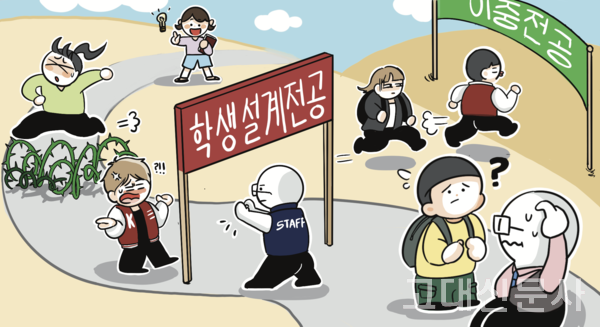
이공계(STEM) 탑스쿨 합격을 위한 AP 과목 설계 전략
우리 아이 이공계 대학 보내고 싶은데, AP 과목은 도대체 몇 개나 들어야 하고 어떤 조합으로 짜야 하나요?
2026.06.16
AP/GPA
이공계(STEM) 탑스쿨 합격을 위한 AP 과목 설계 전략
새 학기가 시작되면 고민 되는 AP 과목 설계! 희망하는 전공에 따른 필수 AP 과목을 선택하는 슬기로운 전략!
2026.06.16

AP/GPA
Digital SAT Reading에서 가장 많이 틀리는 3가지 함정
아이비리그 합격생 50명의 에세이 첫 문단을 분석한 결과 발견된 5가지 공통 패턴.
2026.06.15